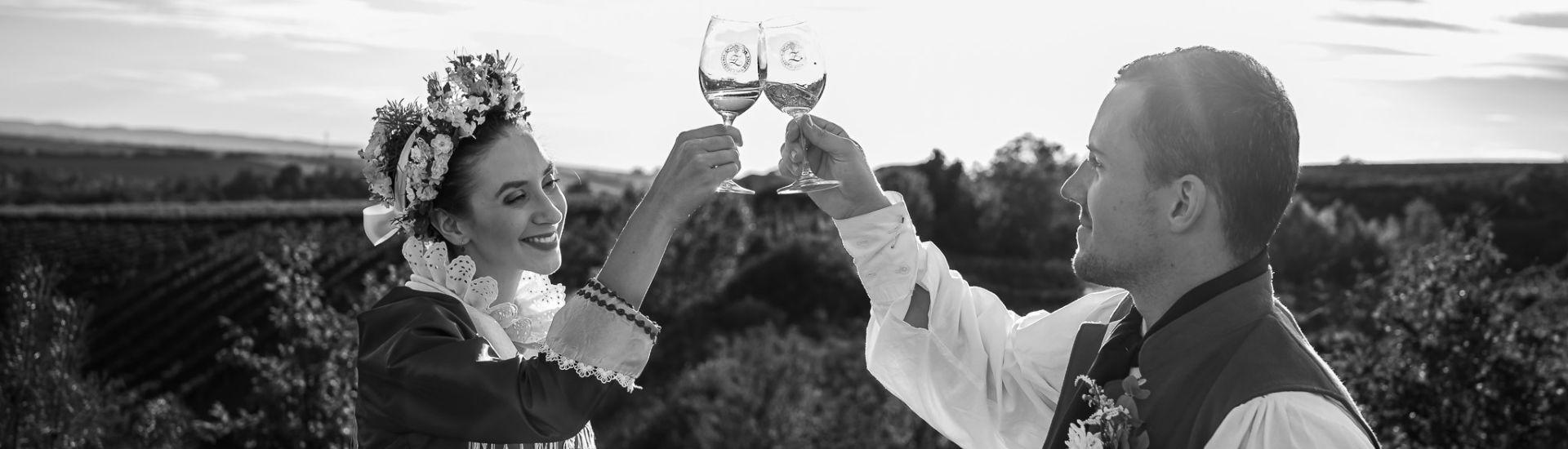
Some love them, others avoid them like the plague. We're talking about wedding traditions.Habits Customs, rituals, and minor traditions that were once meant to protect newlyweds from evil spirits and ensure their fertility, abundance, or a happy marriage. Today, we often take them with a grain of salt, but it is precisely thanks to them that a wedding can have its special charm. Let's take a look at all the wedding customs, from the well-known to the forgotten, that give the wedding day its unique atmosphere.
1. Gifting "invitation" wedding cookies
Cookies are not just for the reception. Small baked wedding cookies are traditionally placed in paper boxes and given to relatives and friends along with wedding invitations. Usually, two or three types are baked, such as quark, poppy seed, and plum jam. They symbolize the wealth and hospitality of the bride and her family. In the past, baking cakes was a social event, but nowadays this activity is left to experienced confectioners.
However, it is good to remember that distributing wedding cakes is not an obligation. It is more of a beautiful tradition that is maintained in some regions where it has deeper roots. If you have not noticed this custom in your region, you can surprise people with it all the more.
2. Farewell to bachelorhood
Farewell to bachelorhood used to be the privilege of grooms. On the eve of the wedding, friends and relatives gathered to celebrate the last day of freedom together, drinking and decorating the wedding maypole or preparing decorations. In Moravia, it is traditionally called "svíca" (candle), originally a traditional event held in villages that lasted as long as the candle burned.
Today, bachelor and hen parties are much more colorful and for everyone, either separately for the bride and groom, or for both at once. The modern bachelor party is more a celebration of friendship and joy than an obligation. It often lasts a whole day or weekend. It includes games, workshops, trips, travel, sporting or cultural experiences, parties, depending on the personalities of the newlyweds. What program you choose for the bachelor party is up to you and your loved ones. The main thing is to spend the last moments before marriage together and create memories that you will remember long after the wedding.

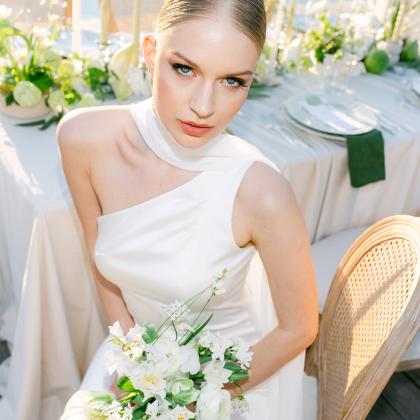
3. Posy or corsages
Do you know what posy was used for in the past? They are small floral or green decorations that guests pinned to their lapels or dresses. In practice, when a wedding took place in a public place, it was immediately clear who belonged to the newlyweds' celebration.
The most common material used to make posy is myrtle complemented by a ribbon. In Greco-Roman mythology, myrtle was a sacred plant associated with the goddesses Aphrodite and Demeter (i.e., with love, abundance, fertility, and motherhood). Myrtle wreaths were used at weddings, sporting events, and celebrations, so it's no wonder that they have retained their role to this day.
Many couples now choose a private venue for their big day. If you are one of them, you don't have to give up on corsages. This festive detail will adorn your guests' outfits and symbolically connect them.
4. Something new, old, borrowed, and blue
This tradition originated in 19th-century England and has spread to our country over time. On her wedding day, the bride should have something new, something old, something borrowed, and something blue. Each element is supposed to bring happiness and harmony to the marriage.
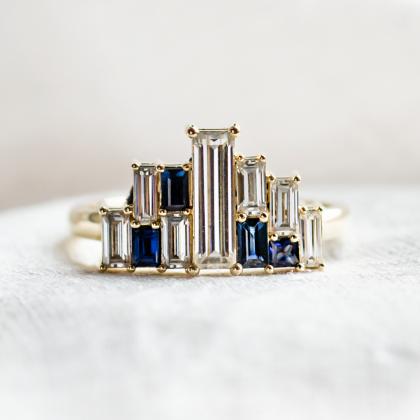
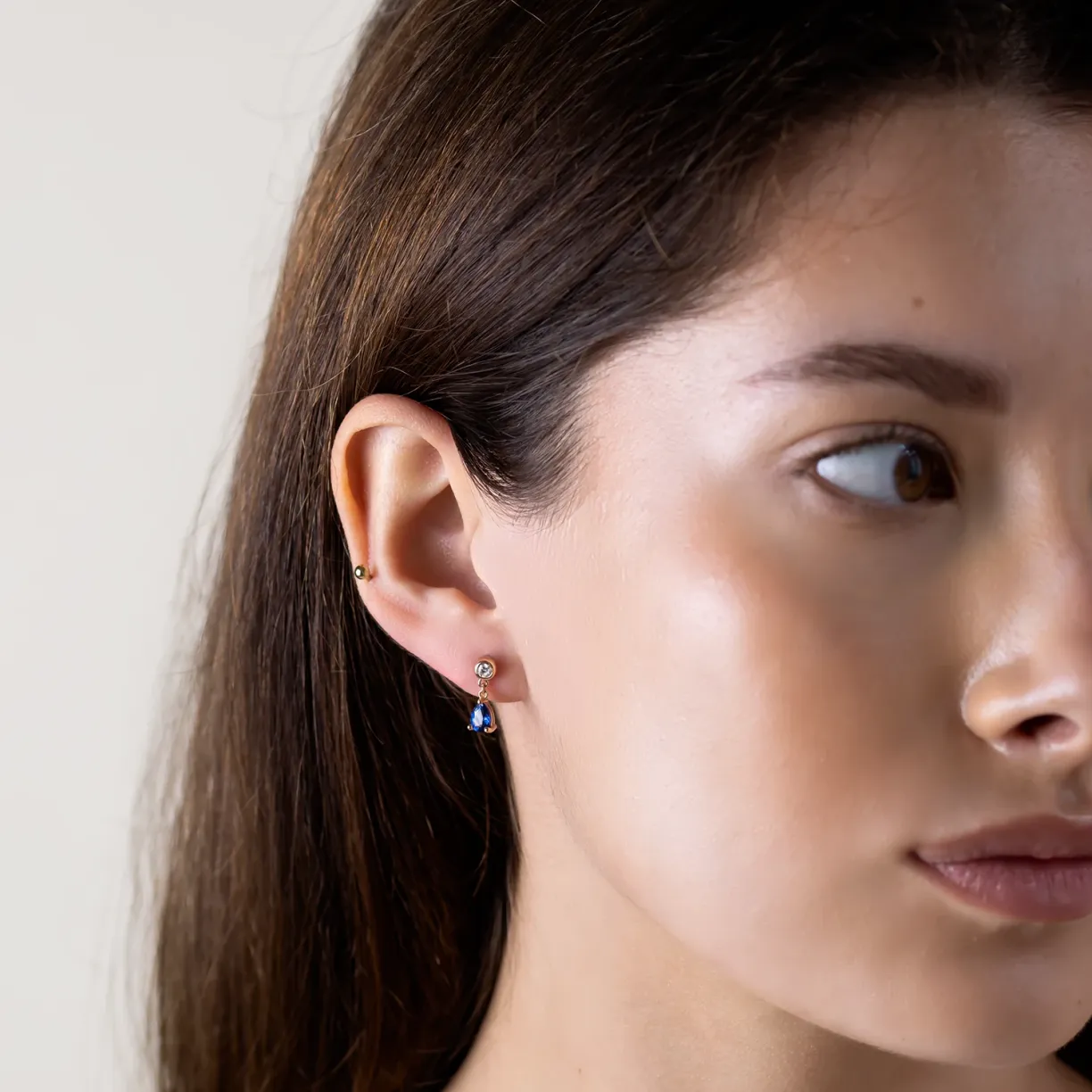
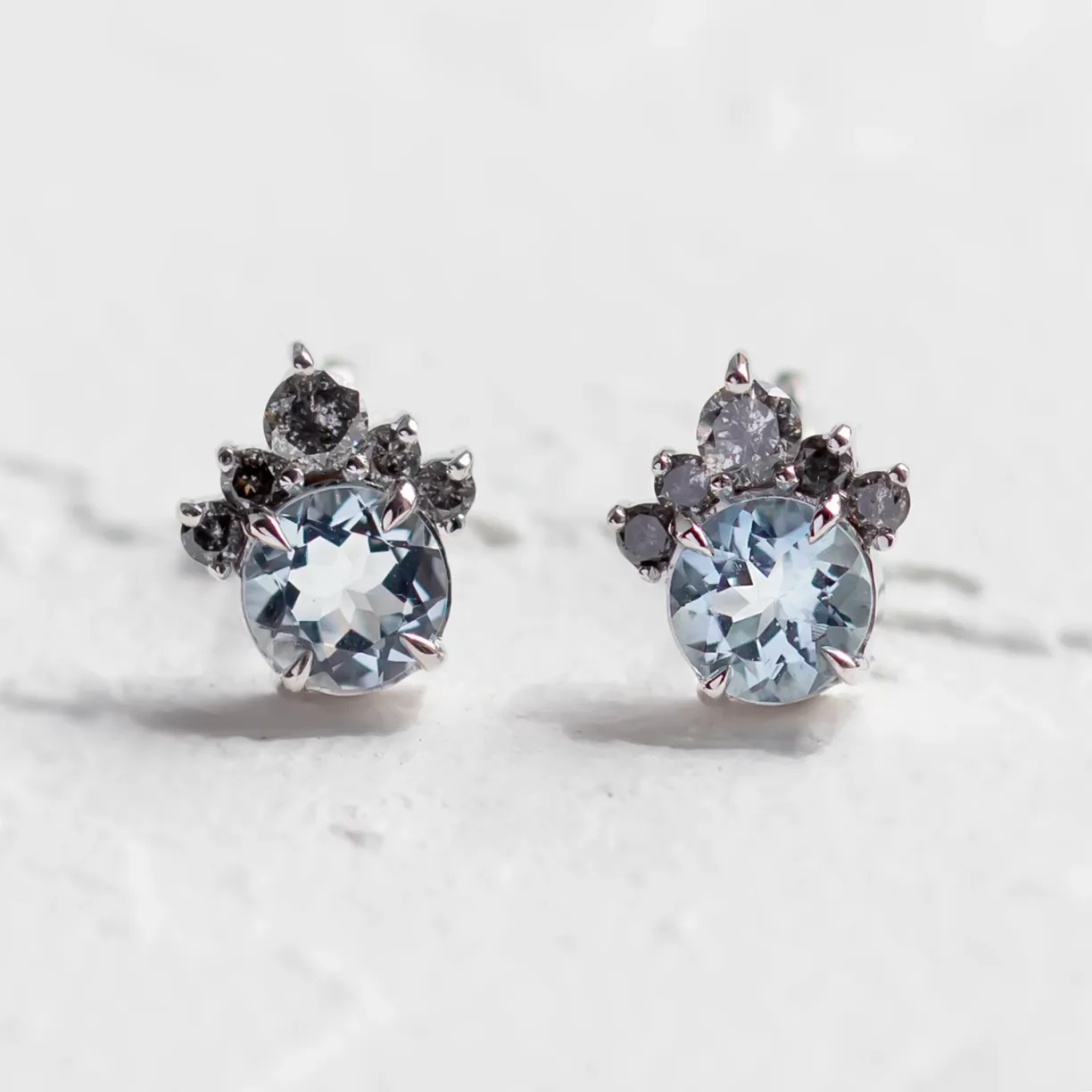
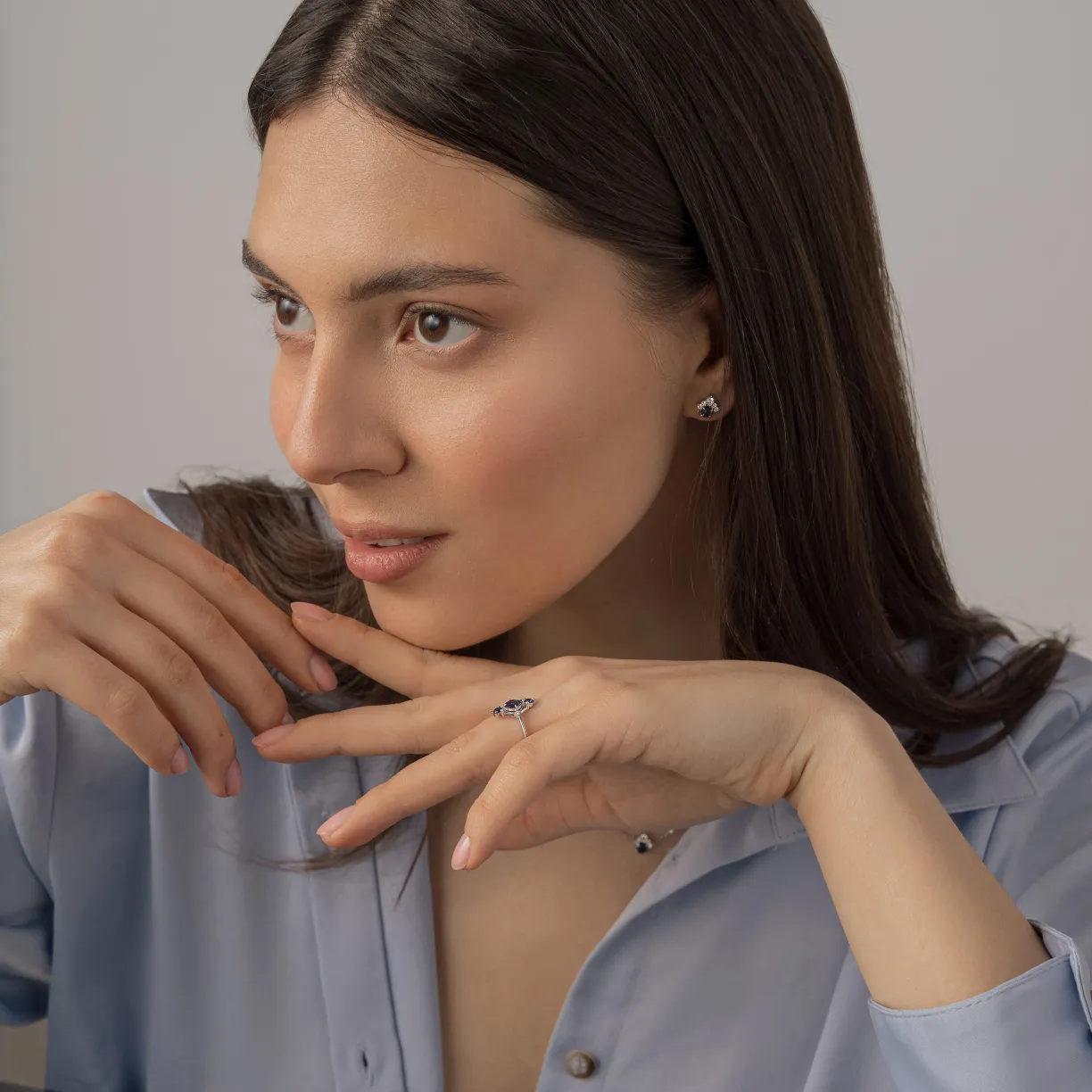
Something new represents a new beginning, something old represents the continuity of the family line, something borrowed represents the transferred happiness of loved ones, and something blue represents fidelity and purity. The color blue can be represented by, for example, a delicate gold piece of jewelry with aquamarine, topaz, or sapphire, a subtle garter, or a small accessory in the hair.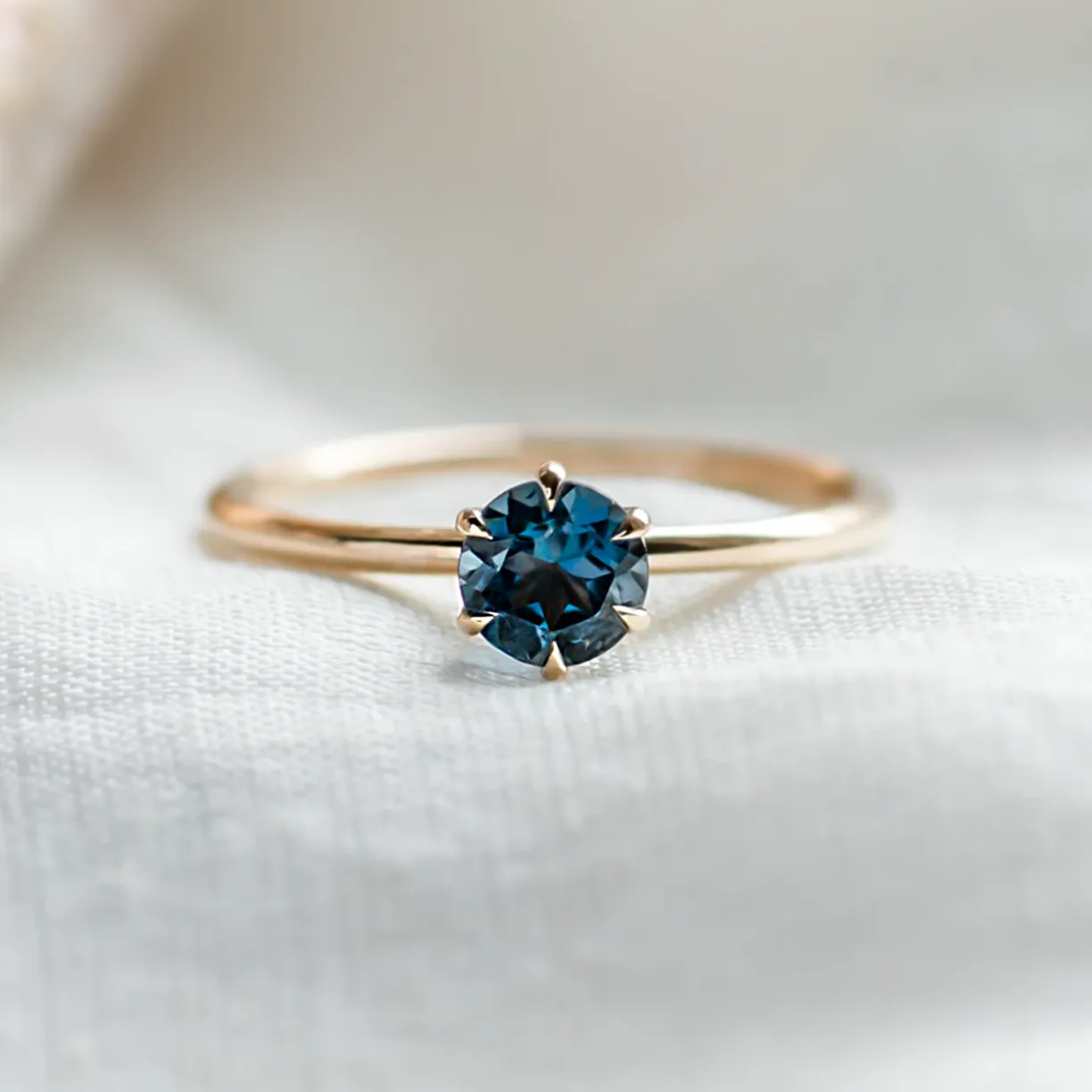
5. Exchange of wedding rings
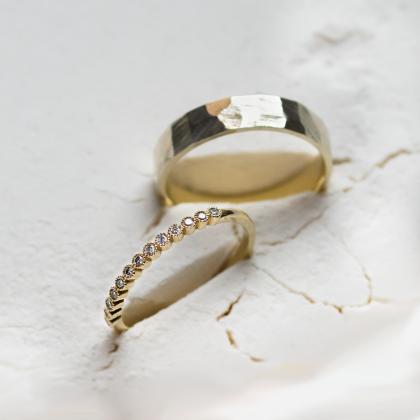
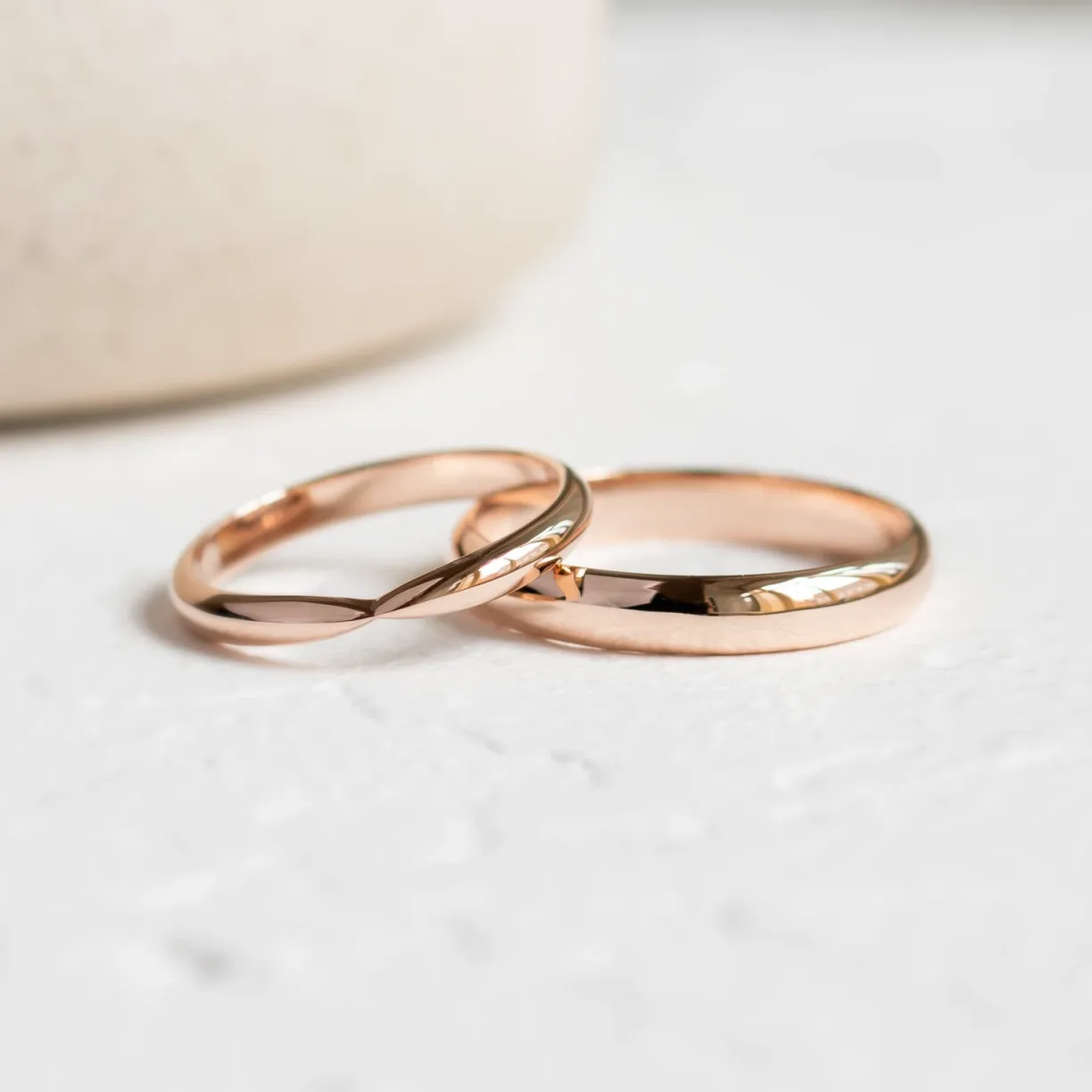
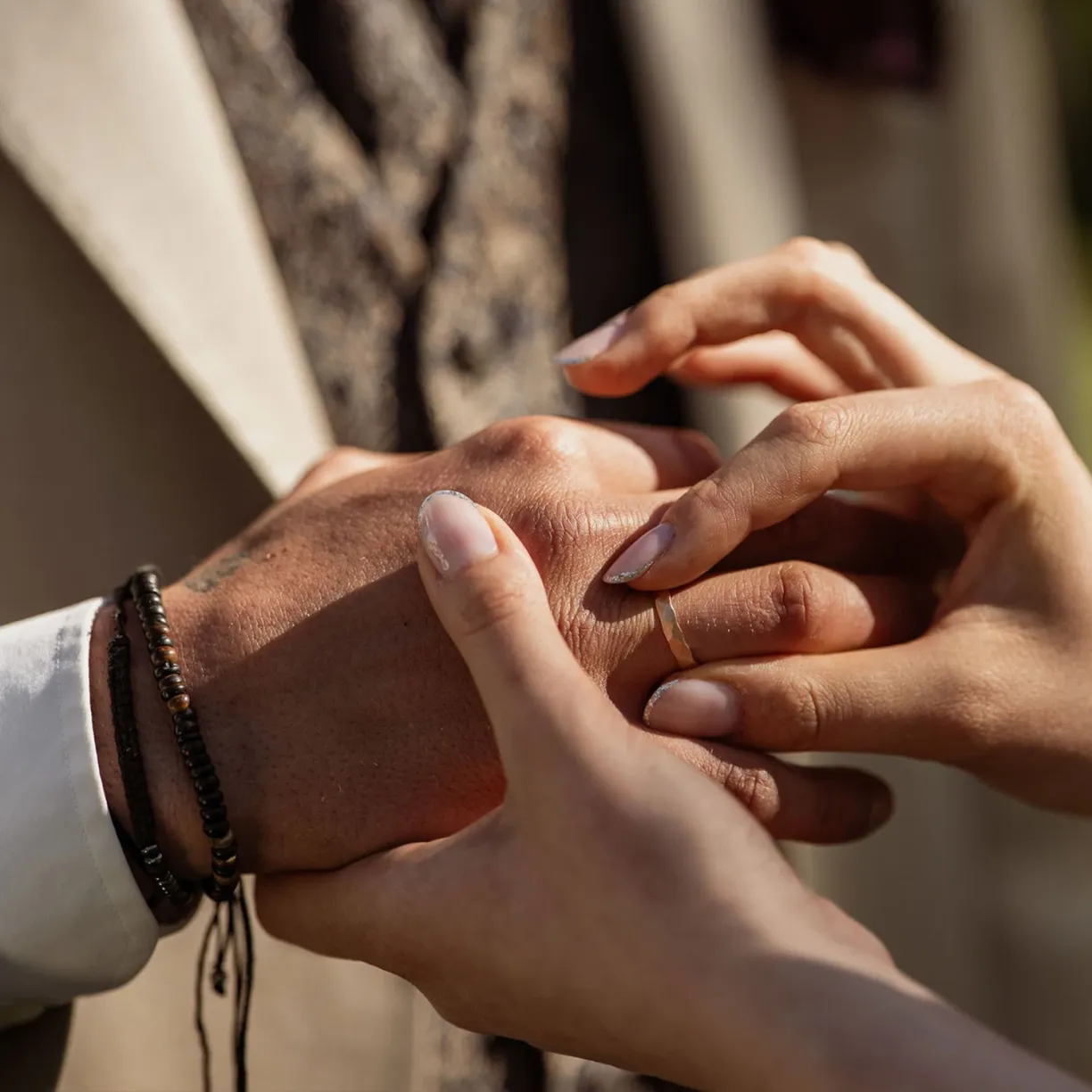
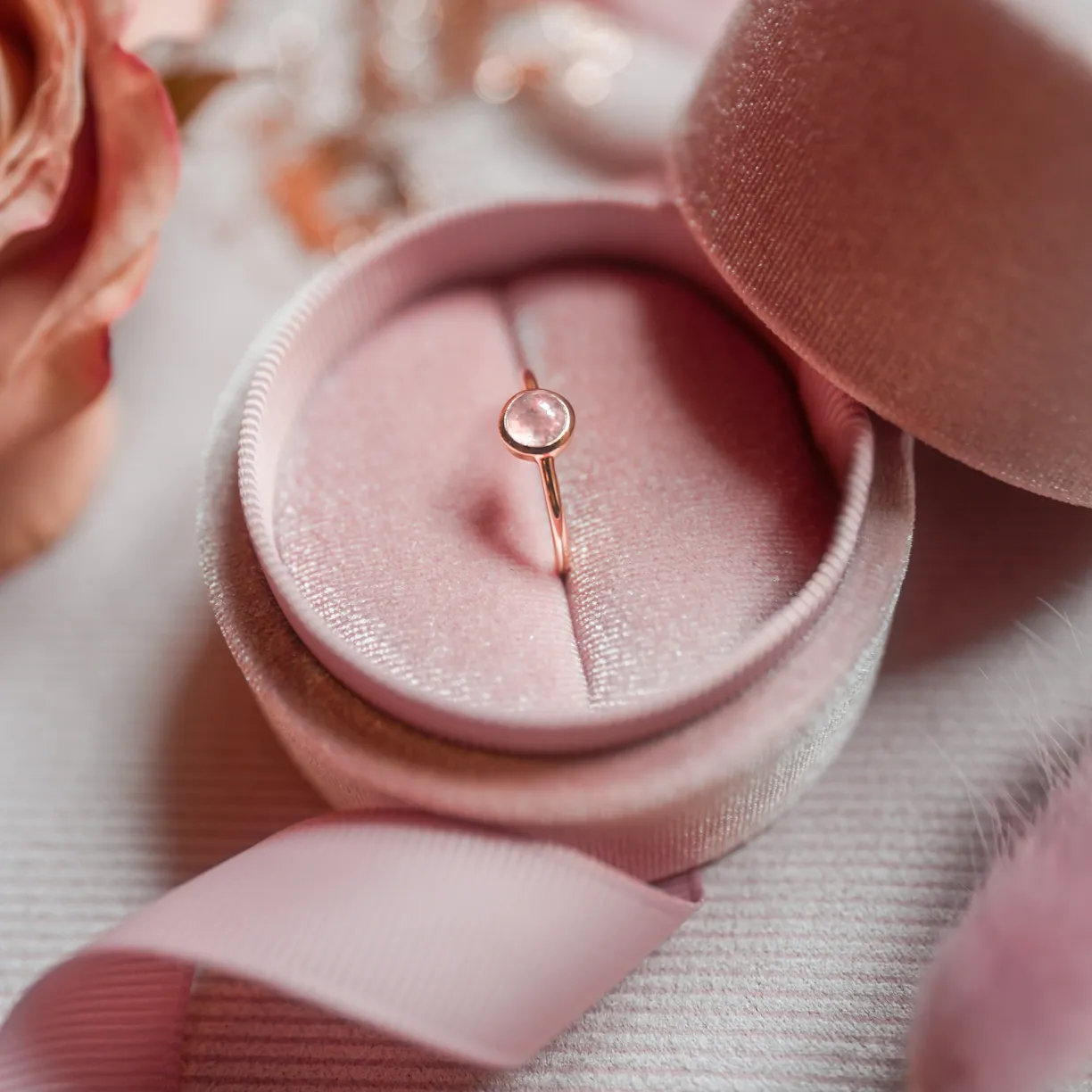
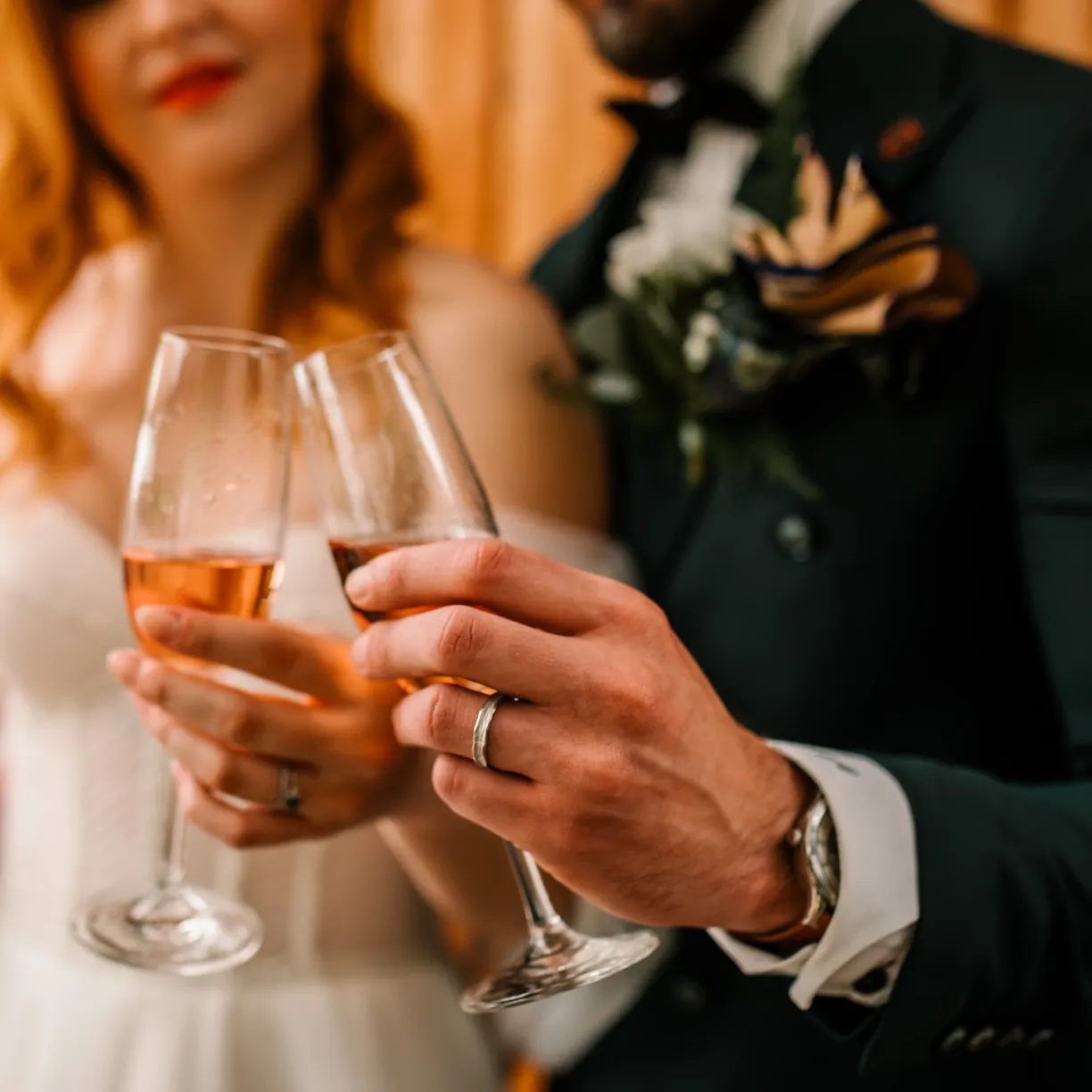
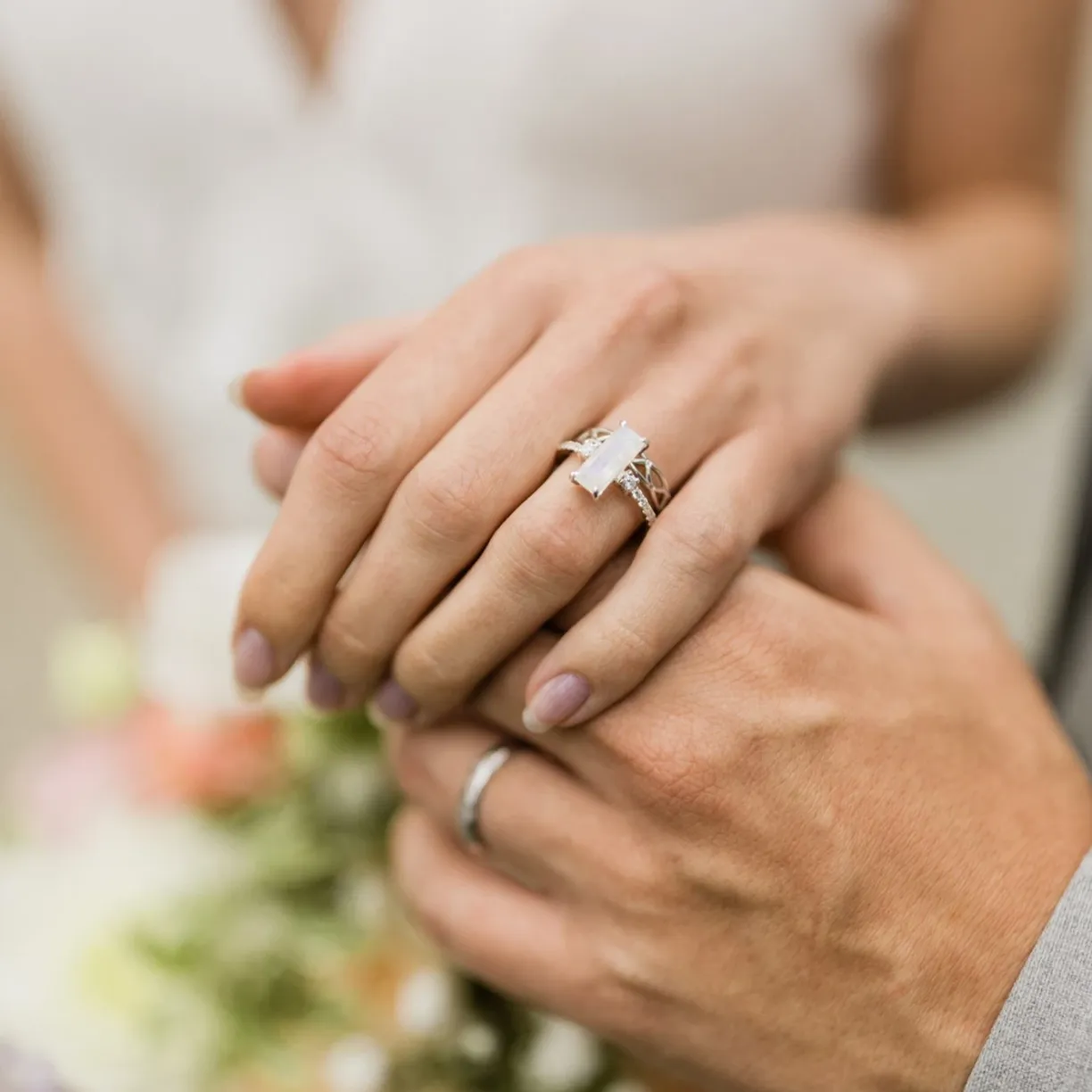
Wedding rings are one of the oldest and most enduring traditions associated with marriage. They symbolize the devotion and union of two lives. Their history dates back thousands of years, with the first known rings used as a symbol of marriage originating in ancient Egypt, where they represented eternity and the infinity of love. According to tradition, the wedding ring is worn on the ring finger of the left hand, which stems from the belief in "venu amoris," the so-called vein of love that leads directly to the heart. Over time, the custom has been preserved across cultures and continents, and to this day it is part of the marriage vow.
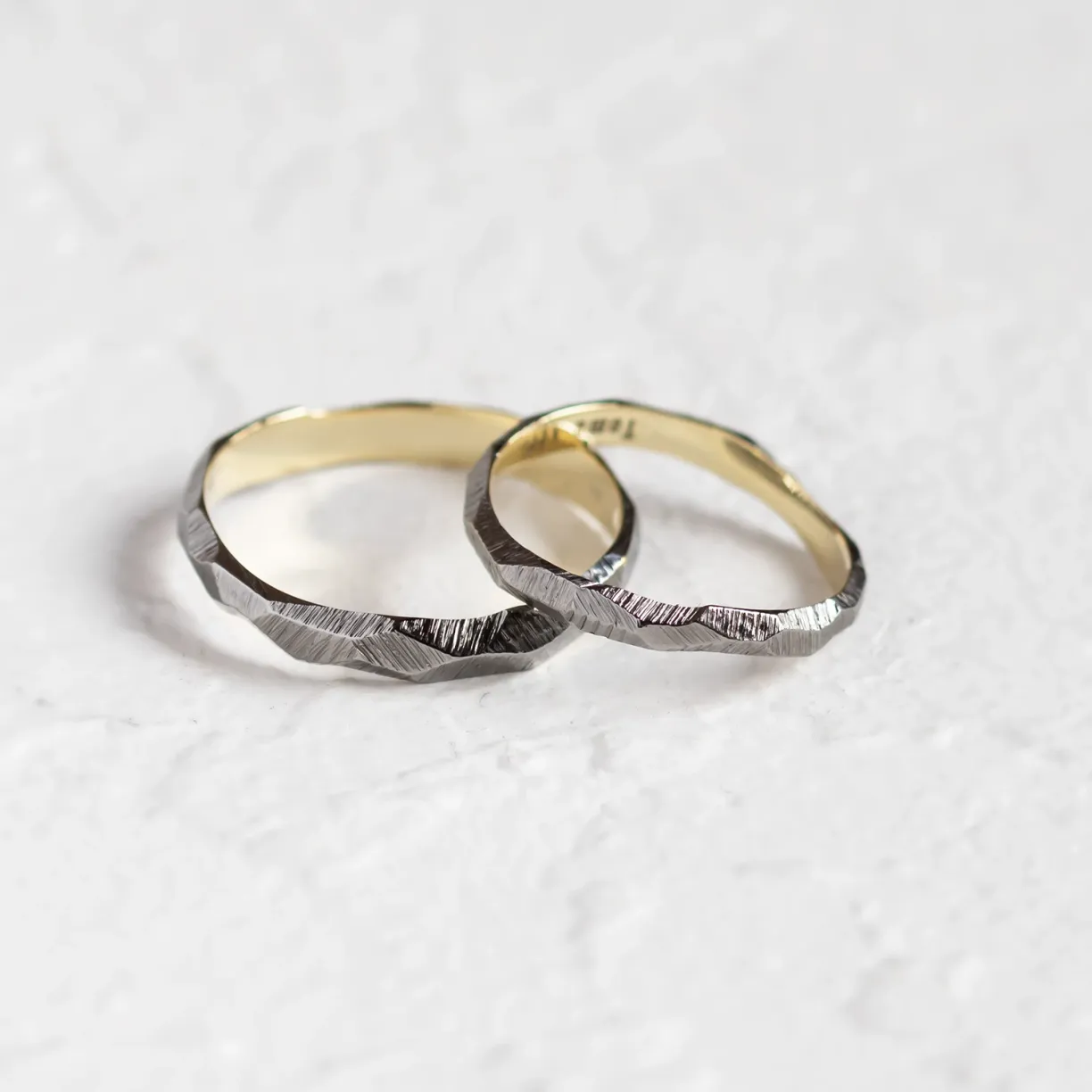
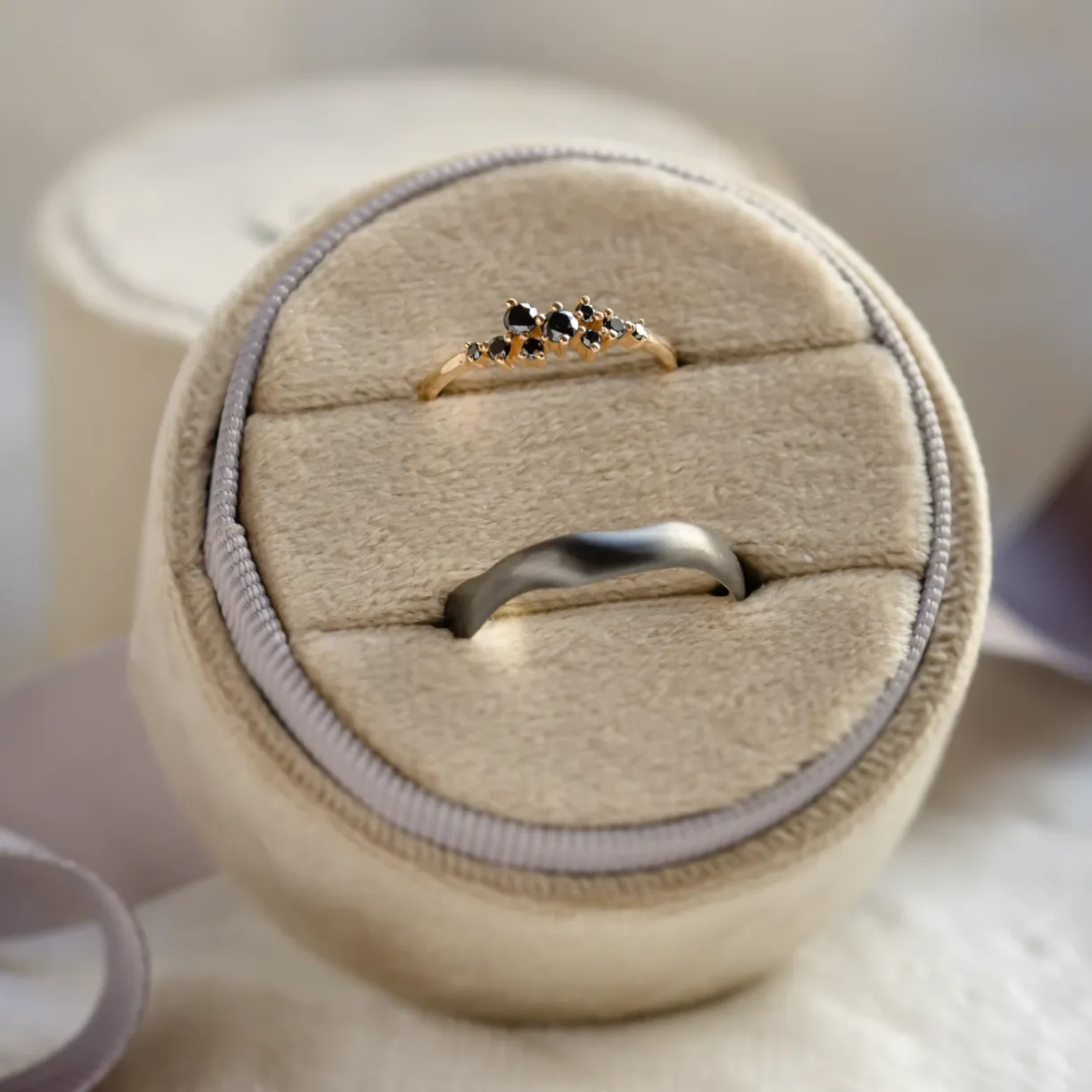
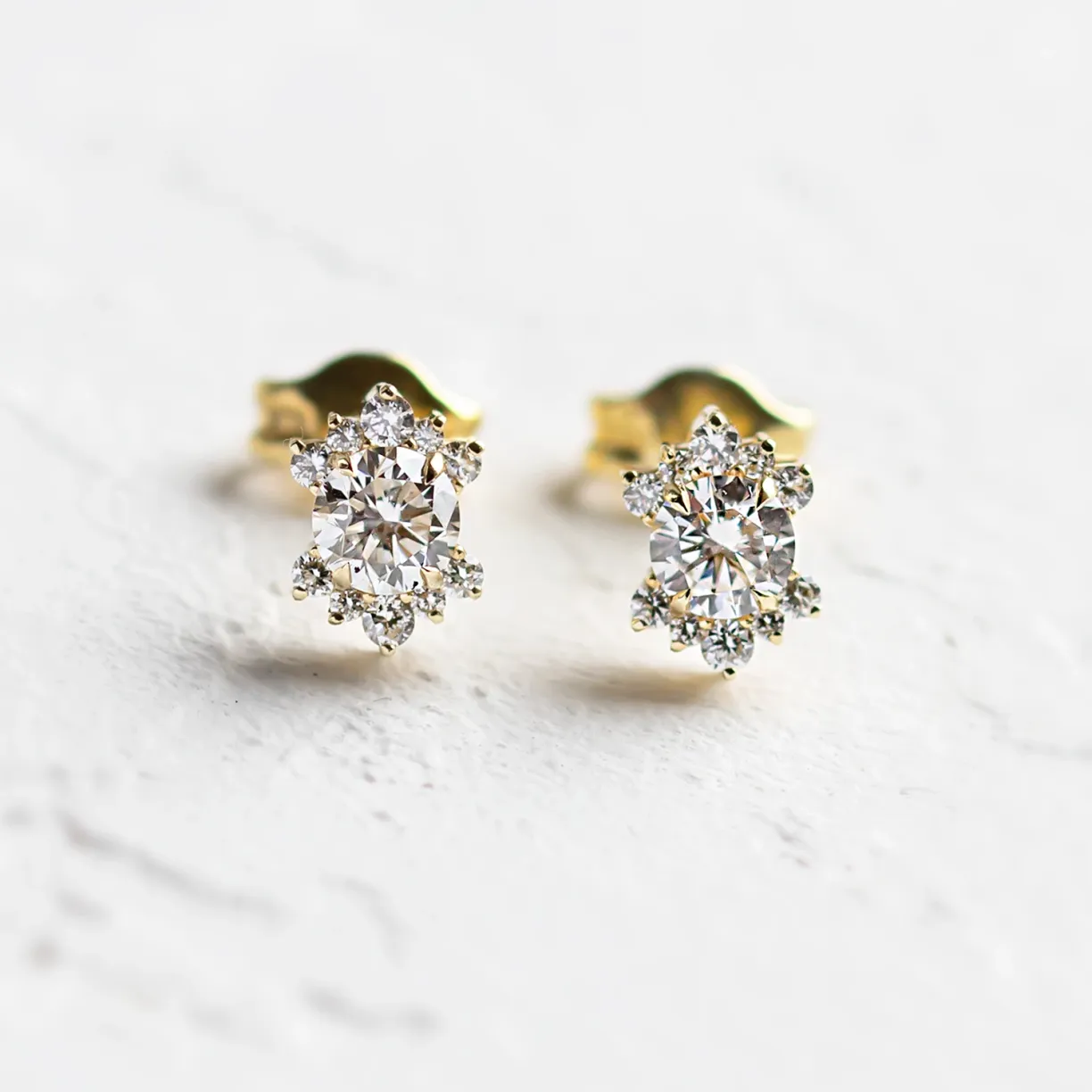
At our Mialis studio, you can choose whether you prefer originality. Atypical wedding rings are becoming increasingly popular. They boast unusual designs, unconventional structures, combinations of metals or diamonds, and are being chosen by more and more couples. However, if you are more of a fan of tradition, you will also find classic wedding rings in our studio. Every couple has their own story, which is why we strive to make all rings unique and in line with your wishes.
We will make them exactly according to your wishes. You can choose white, yellow, or rose gold, as well as engraving, at no extra charge. We will be happy to engrave your wedding date, initials, or a short message on the rings. Let your wedding jewelry become a symbol of your life together.
6. Pulling the groom
The groom's friends stretch a thick rope in front of the exit from the ceremony hall or church, on which various objects are hung, often empty bottles, etc. This blocks the newlyweds' path, and they can only continue when the groom "redeems" himself. The ransom can take many forms, from a small amount of money to a task or promise. Symbolically, the groom redeems himself from his youthful sins and at the same time shows that he is ready to enter a new stage of life alongside his wife.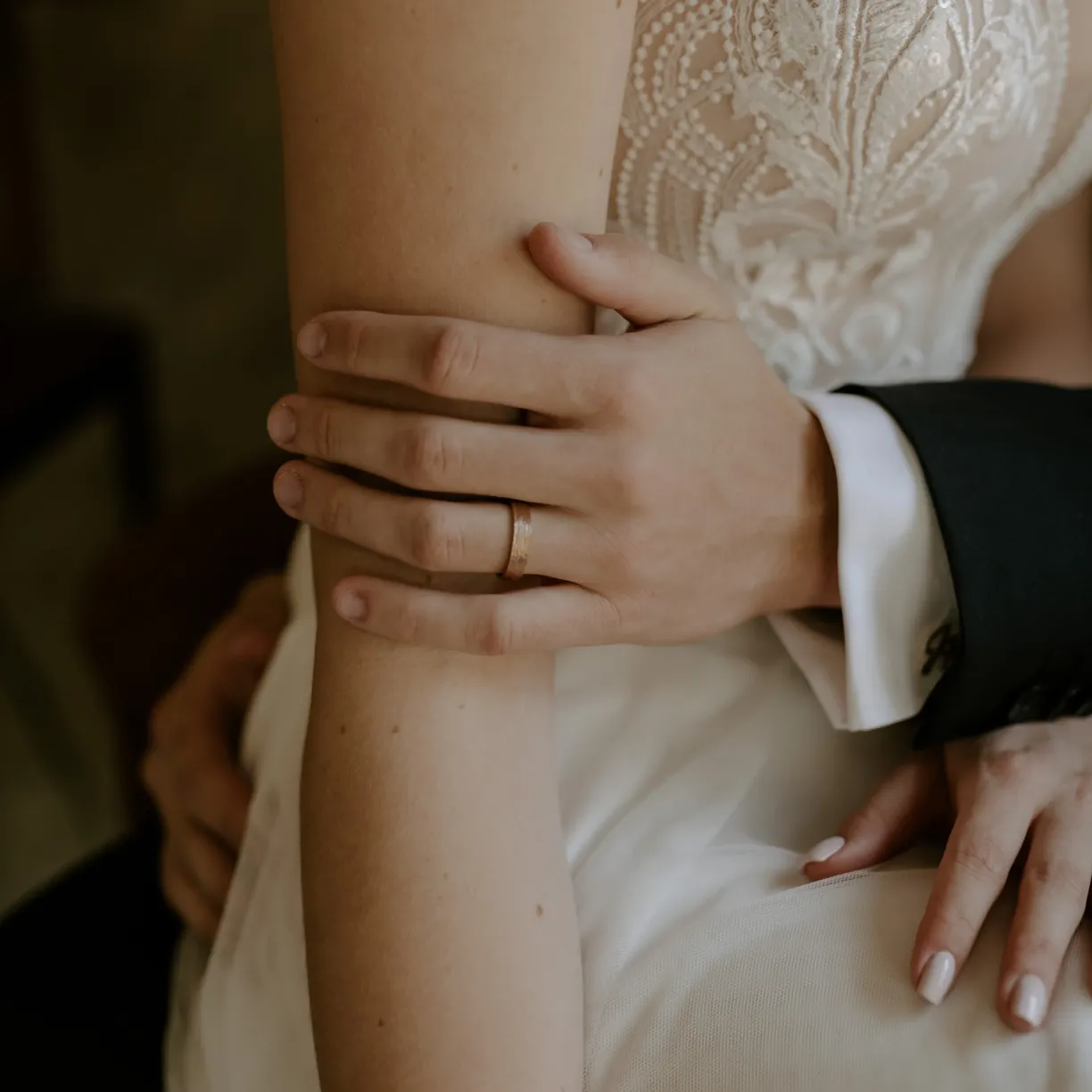
7. Throwing rice or flower petals at the wedding procession
The origin of this custom dates back to ancient times. Even in ancient times, couples were showered with grain, nuts, or seeds, which were supposed to bring fertility, abundance, and prosperity. This custom has been carried over from the past to the present. After the ceremony, the wedding guests form a guard of honor on both sides and welcome the newlyweds as they take their first steps together as a married couple. Nowadays, instead of grain, rice, rose petals, dried flowers, or bubbles from a bubble blower are usually thrown into the air.
However, the idea remains the same: to wish the couple a life together filled with happiness, love, and prosperity. And as a pleasant bonus, it also creates a magical moment that looks absolutely perfect in wedding photos.
8. Ball and chain or yoke for the groom
This is one of the traditional "tests for the groom," which has a slightly ironic undertone. After the ceremony, friends often attach an iron ball to his leg or put a yoke on him as a reminder that by getting married, he is taking on the responsibilities and obligations that come with marriage. To get out of this "trap," he must redeem himself in some way. Whether it's paying a small amount of money, completing a task, or cutting off the ball with his own hands.
9. Breaking the plate
Before entering the reception, the wait staff or witnesses break a plate, which the newlyweds must then sweep up together. According to the saying, broken pieces bring good luck, but the meaning goes deeper. Cleaning up the broken pieces represents the initial task in marriage, where it is necessary to pull together, cooperate, and overcome obstacles side by side.
10. Carrying the bride over the threshold
This custom has several meanings. Traditionally, it was about protecting the bride from evil spirits, who, according to superstition, lived under the threshold and guarded the house. Symbolically, however, it also represents the beginning of a new life. The bride leaves her parents' home and enters into a life together with her partner. Today, it is more of a sweet and playful moment that reminds the couple of the first step in their shared story.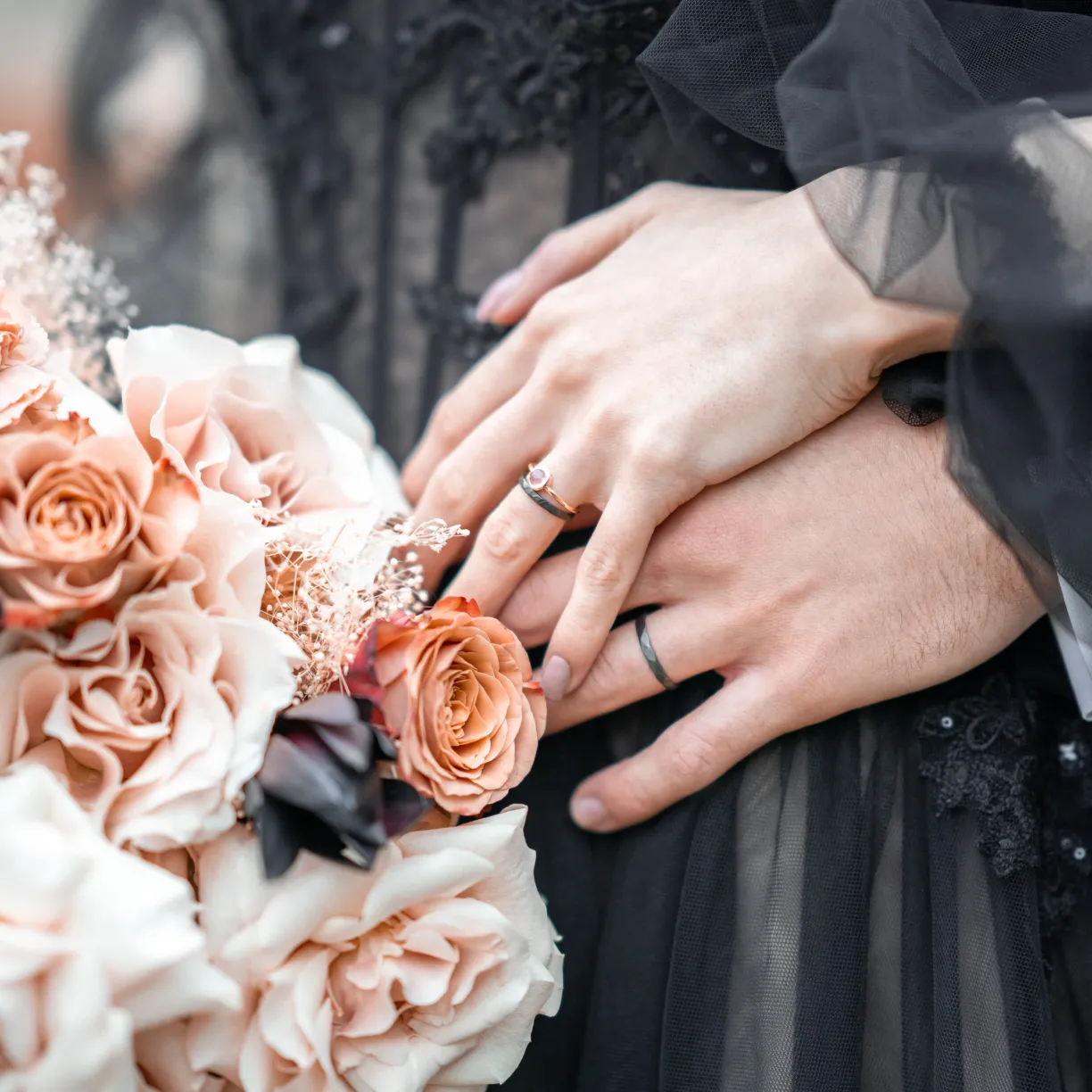
11. Eating together with one spoon and a bib
Another wedding tradition is for the newlyweds to eat together with one (often leaky) spoon, often accompanied by a large wedding bib. The ritual can also represent one of the first "tests" of married life, when partners must be patient and work together. The bib, which is usually put on by the best man or waiter, protects their formal attire, but at the same time tests the mutual care they promised each other during the ceremony.
12. Throwing the bouquet
In the Middle Ages, unmarried girls tried to snatch a piece of the bride's dress, which was supposed to bring them luck in love. But who would want to ruin a beautiful wedding dress? That is why the tradition changed to throwing the bouquet. It is said that the woman who catches the bouquet will be the next to marry. However, many brides want to keep their bouquet as a souvenir, so they have a smaller bouquet made for throwing.
In some regions, instead of throwing the bouquet, it is woven. The bride stands blindfolded in the middle of a circle, surrounded by single women holding ribbons tied to the bouquet. The bride cuts them off one by one until only one remains. The woman holding the last ribbon is said to be the next bride.
It doesn't matter which option you choose. The main thing is that only women who want to participate in the game do so. The tradition should be joyful and relaxed. After all, it's about having fun, not making anyone feel uncomfortable.
13. Cutting the wedding cake
The program of contemporary weddings often includes cutting the cake together, which symbolizes the newlyweds' shared joy and cooperation. If cutting the cake alone seems boring, you can choose to decorate the cake together. All you need to do is have the bakers prepare the cake base, and you can decorate it with fresh fruit, nuts, or other edible components according to your taste and creativity. Believe us, decorating will be great fun not only for you but also for your wedding guests.
However, unusual cakes, such as mini cakes, are becoming a trend, so couples are using their imagination and coming up with all sorts of alternatives. These include, for example, pouring champagne into a pyramid tower, after which glasses are handed out to the guests. This is guaranteed to pleasantly surprise even those who don't have a sweet tooth.
14. Throwing the garter
Throwing the garter is one of those wedding traditions that we mostly know from movies in the modern world, but it still has its place at some weddings. The bride takes off her garter and throws it among the single men, and according to custom, the one who catches it should be the next to get married.
15. First dance
The first dance is one of the most popular moments of the wedding. It is the moment when the couple dances for the first time as husband and wife, symbolically beginning their journey together. They usually dance to a favorite song that has accompanied them throughout their relationship, adding a very emotional charm to the moment. In recent years, sparklers have often been added to the first dance because they create a romantic atmosphere and look great in photos.
16. Kidnapping the bride
Kidnapping the bride is an old tradition that represents a girl's separation from her parents and transition to a new life with her husband. In the past, it was a playful ritual in which friends "kidnapped" the bride and the groom had to find her and "redeem" her, for example, by paying a small ransom.
Today, it is more controversial. It takes a lot of time and is usually only fun for the kidnappers. If you are planning such an event for your friends, discuss it with them in advance so that you don't unpleasantly disrupt their big day.
17. Fake Bride
A little play that used to be a humorous part of wedding celebrations. One of the guests would dress up as the bride and try to "steal" the groom, usually for the purpose of distracting and entertaining the wedding guests. Nowadays, the tradition is mostly only observed at more traditional weddings, and if it is performed, it is a good idea to discuss it with the newlyweds in advance so that the fun does not turn into an unpleasant situation.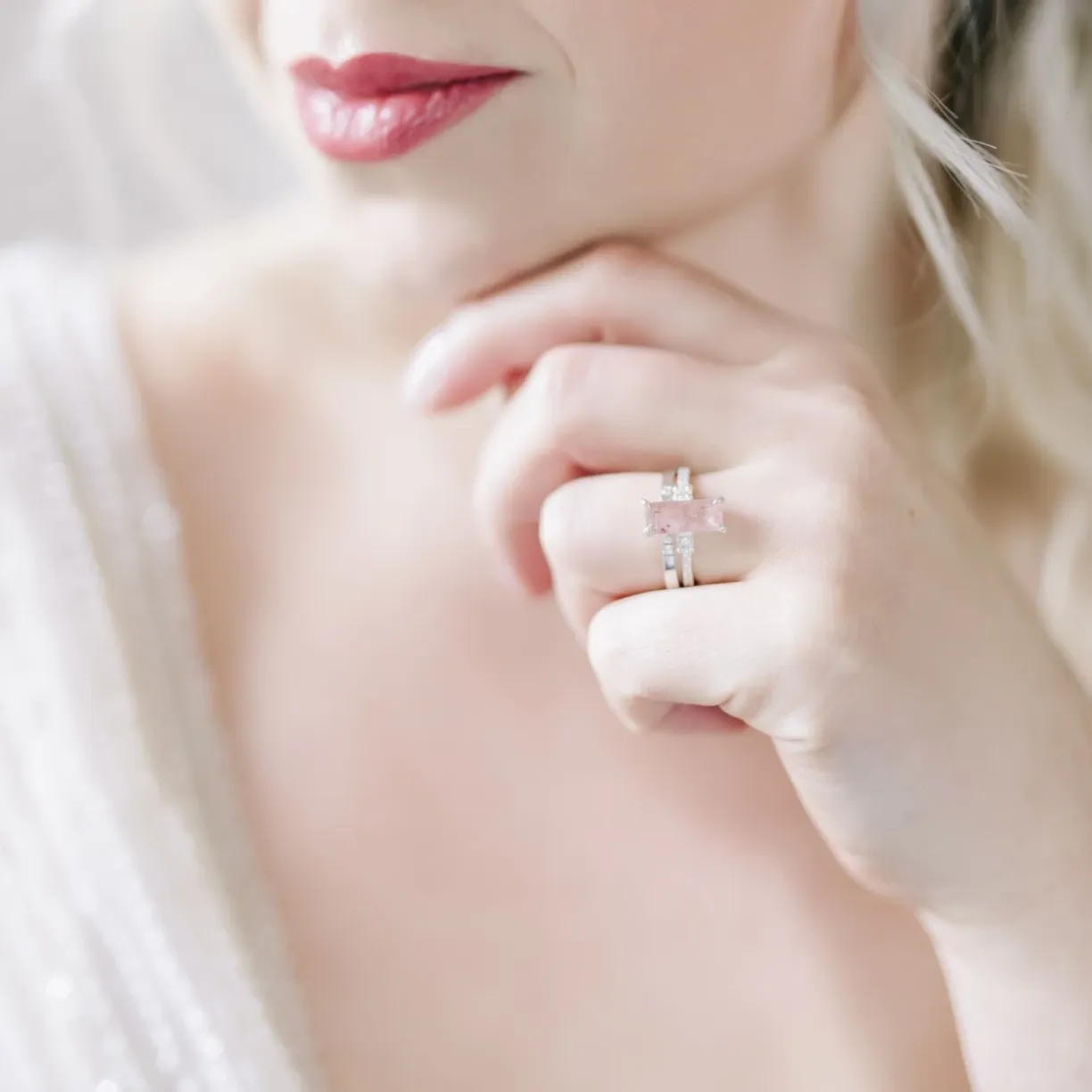
18. Burying a sausage
This wedding ritual is not very well known in our country and may seem a little bizarre, but according to some superstitions, it has its significance. It is said that if you bury a sausage in the ground the day before the ceremony, it will ensure sunny weather for the following wedding day. The truth is that you simply cannot control the weather. But if the forecast is not favorable, you can still try the sausage ceremony. And if it doesn't work and clouds gather over your wedding anyway, don't despair, as they say, "it's raining happiness".
19. Diaper changing
At some rural weddings, the wedding guests prepare a so-called "parenting test" for the newlyweds. Its purpose is to test their skills and entertain the guests at the same time. A doll with a diaper is placed in front of the bride and groom, and their task is to change the baby's diaper as quickly and skillfully as possible. The whole scene is usually accompanied by cheerful comments and laughter from the audience, who often add various "tricks" to make it more difficult for the couple. The tradition shows that marriage brings new roles and responsibilities and reminds us that cooperation and patience are the cornerstones of life together.
If you are preparing this entertainment for your loved ones, be very careful. The topic of future parenthood can be sensitive for some couples, so it is good to know their situation first, thus avoiding moments that could cause the bride or groom to feel uncomfortable.
20. Wedding noise and commotion
Noise and commotion were part of weddings in the past, and there is a reason for that. In the past, it was believed that loud noise drove away evil spirits and brought happiness to the newlyweds. That is why people clanged spoons, banged pots, blew horns, and clapped their hands. Today, this custom is seen as more of an exaggeration, but if someone wants to keep the tradition alive, you will most often hear it when leaving the ceremony or when the wedding procession arrives, when cars honk loudly and guests make as much noise as possible. This is a way to let everyone know that love is being celebrated and a new life together is beginning.
Your day, your rules
If you are planning a wedding, remember that it is primarily your day. You can include only those traditions that really make sense to you, or you can skip them altogether. It's entirely up to you. In our experience, most traditions have been abandoned in recent times, but one remains almost always, and that is the exchange of wedding rings. And no wonder. These pieces of jewelry will stay with you for the rest of your life and remind you every day of your love, your promises, and your new beginning together.
So if you are looking for wedding rings that are as unique as your day, you can choose them at our Mialis studio, either online or by making a personal appointment at our showroom in the center of Prague. All of our original jewelry is handmade, with an emphasis on the use of precise materials and original designs.
And if you are a witness or friend looking for inspiration on how to entertain or surprise the newlyweds, be careful. It is better to discuss your ideas with at least one of them. Such surprises can be very delicate. A little joke can be a nice touch, but it can easily turn into a faux pas. Remember, it is their day above all else, and it should be full of joy, exactly as they dreamed it would be.